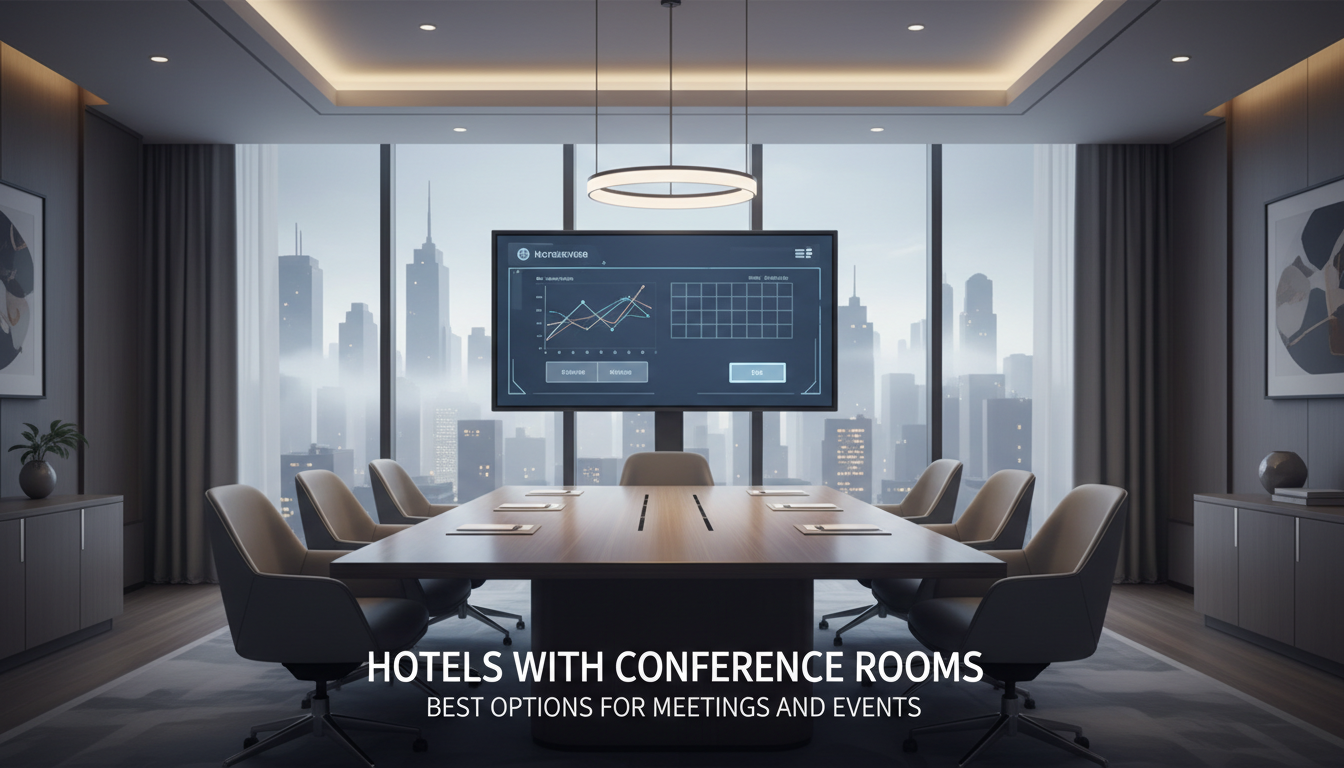
Selecting the right hotels with conference rooms is a critical decision for any business professional, event planner, or organization looking to host a successful gathering in 2026. The venue you choose serves as the foundation for your event, influencing everything from attendee productivity to the professional image of your brand. Whether you are planning a high-stakes executive board meeting, a large-scale industry seminar, or a collaborative team workshop, finding a hotel that balances state-of-the-art facilities with guest comfort and strategic location is essential for achieving your corporate objectives.
Quick Answer: Choosing the Best Conference Hotel
- Technology: Prioritize venues offering high-speed fiber-optic internet and integrated AI-assisted audiovisual systems for seamless hybrid meetings.
- Location: Choose properties located within 30 minutes of major transport hubs or city centers to minimize delegate travel fatigue.
- Flexibility: Look for modular room layouts that can be easily reconfigured from classroom style to boardroom or banquet settings.
- Support: Ensure the hotel provides dedicated onsite event coordinators to manage real-time logistical challenges.
- Amenities: Check for essential business services, including secure printing, executive lounges, and sufficient breakout spaces.
Why This Hotel Topic Matters in 2026
As we navigate the corporate landscape of 2026, the way we meet has fundamentally shifted. The rise of hybrid work models means that when people do gather in person, the quality of that interaction is more important than ever. Travelers today expect hotels with conference rooms to offer more than just a table and chairs; they demand immersive technology, sustainable practices, and ‘bleisure’ opportunities that allow them to blend business with local cultural experiences. With AI-driven scheduling and mobile-first booking becoming the industry standard, planners now prioritize hotels that offer instant communication and transparent, flexible cancellation policies. Sustainability is no longer optional, as corporate social responsibility (CSR) mandates require venues to demonstrate eco-friendly operations, from zero-waste catering to energy-efficient lighting.
Main Guide: Essential Features of Top-Tier Conference Hotels
When searching for the ideal venue, it is important to categorize your needs based on the specific goals of your event. A luxury resort might be perfect for a leadership retreat, whereas an airport hotel might be the most efficient choice for a brief international coordination meeting.
Who These Hotel Options Are Best For
Hotels with conference rooms cater to a diverse clientele. Multinational corporations often require large-scale convention centers within hotels for annual summits. Small and medium enterprises (SMEs) frequently utilize boutique hotels for more intimate, focused strategy sessions. Additionally, the growing community of digital nomads and remote teams often seeks hotels with smaller ‘huddle rooms’ for collaborative work sprints. Understanding your audience helps narrow down whether you need a high-capacity ballroom or a sophisticated, private executive suite.
What Facilities to Look For in 2026
Modern event planning requires a checklist of facilities that go beyond the basics. First and foremost is connectivity. In 2026, low-latency 6G or advanced Wi-Fi 7 is the baseline expectation for any professional venue. Furthermore, look for integrated AV equipment, including 4K video conferencing hardware and high-quality spatial audio systems. Ergonomics also play a significant role; look for adjustable seating and lighting systems that mimic natural circadian rhythms to keep attendees alert and focused throughout the day.
Location and Accessibility Advantages
A hotel’s location is often the primary driver of attendance rates. Properties near international airports are highly valued for global teams, while city-center hotels provide easy access to local dining and nightlife, which is vital for networking. Always verify the proximity to public transit and check if the hotel provides shuttle services. In 2026, consider the ‘walkability’ score of the neighborhood, as attendees increasingly prefer to explore the local area on foot during their downtime.
Room Type and Group Accommodations
For multi-day events, the quality of sleeping rooms is just as important as the conference space. Ensure the hotel can provide a block of rooms with consistent quality. Business travelers generally prefer rooms equipped with a proper desk, multiple international power outlets, and soundproofing. It is also wise to inquire about ‘executive floors’ which often provide complimentary breakfast and quiet spaces for evening work.
Comparison Table: Choosing the Right Venue Type
| Hotel Type | Best For | Key Benefit | Possible Drawback | Conversion Tip |
|---|---|---|---|---|
| Urban Business Hotel | Large Conventions | Central location & infrastructure | Higher parking & room rates | Book mid-week for better group rates |
| Airport Hotel | Brief Meetings | Maximum travel efficiency | Limited local attractions | Check for 24/7 airport shuttle availability |
| Luxury Resort | Executive Retreats | High-end amenities & privacy | Further from transit hubs | Inquire about all-inclusive delegate packages |
| Boutique Hotel | Creative Workshops | Unique atmosphere & personalized service | Smaller maximum capacity | Contact directly for bespoke catering offers |
Practical Checklist Before Booking
Before signing any contract, run through this comprehensive checklist to ensure no hidden issues arise during your event:
- Connectivity: Is high-speed internet included in the room hire or is there an extra fee?
- Total Cost: Have all taxes, service charges, and resort fees been disclosed?
- Cancellation: What is the latest date to cancel without a full penalty?
- AV Support: Is there a dedicated technician on-site during event hours?
- Accessibility: Does the venue meet all modern ADA or local accessibility standards?
- Catering: Can the kitchen accommodate specific dietary requirements (vegan, gluten-free, etc.)?
- Natural Light: Do the meeting rooms have windows, or are they located in the basement?
- Breakout Areas: Are there private spaces nearby for smaller group discussions?
- Acoustics: Are the walls soundproof enough to prevent noise from adjacent events?
- Security: Does the hotel offer secure storage for sensitive equipment or documents?
- Loyalty Perks: Can you earn corporate loyalty points for the group booking?
- Reviews: Have you checked recent reviews specifically regarding ‘business stays’ or ‘meetings’?
How to Secure the Best Value
Securing a hotel with conference rooms doesn’t have to break the budget if you approach the booking process strategically. We recommend starting your search at least six to nine months in advance for large groups. When contacting hotels, be clear about your ‘must-haves’ versus ‘nice-to-haves.’ Many hotels are willing to waive room hire fees if you commit to a certain level of food and beverage spending. Always compare the rates on major booking platforms with the direct quote from the hotel’s sales department; often, direct bookings come with added perks like free upgraded WiFi or early check-in for the organizer.
To ensure you are getting the most modern facilities, look for properties that have undergone renovations within the last three years. This ensures the tech infrastructure is up to date for 2026 standards. Don’t hesitate to ask for a virtual tour of the specific conference room you will be using to verify its layout and condition.
Common Mistakes to Avoid
One of the most frequent errors is booking based solely on the lowest price. A cheap venue may end up costing more in the long run if you have to rent external AV equipment or if poor internet disrupts your presentations. Another common pitfall is ignoring the exact location; a hotel might list itself as ‘near the city,’ but heavy traffic could result in hour-long commutes for your guests. Additionally, always read the fine print regarding ‘minimum spend’ requirements. If your attendee count drops, you may still be liable for the original catering costs. Finally, never assume that ‘free WiFi’ covers the bandwidth needs of 50 people using it simultaneously for video streaming—always confirm the specific capacity with the hotel’s IT team.
Expert Tips for Event Planners
Based on years of hospitality strategy, our top recommendation is to perform a ‘tech rehearsal’ at the venue at least 24 hours before the event. This allows you to identify any dead zones in the WiFi or compatibility issues with the projectors. Furthermore, leverage your group size to negotiate. If you are bringing 20+ room nights to the hotel, you have significant leverage to ask for a complimentary hospitality suite or a discounted rate for the post-event cocktail hour. Finally, join the hotel’s corporate loyalty program before booking. The points earned from a single large event can often fund several future business trips or personal vacations.
Frequently Asked Questions
1. Do hotels with conference rooms usually include catering?
Most business-oriented hotels offer dedicated catering packages ranging from coffee breaks to full three-course meals. While some allow outside catering, most prefer you use their in-house services to ensure food safety and logistics.
2. Can I rent a conference room without staying at the hotel?
Yes, most hotels allow ‘day use’ bookings for their meeting facilities. This is a common practice for local businesses or teams who only need a professional space for a few hours.
3. What is the typical lead time for booking a large conference?
For events requiring 50+ guest rooms, it is advisable to book 12 months in advance. For smaller meetings of 10-20 people, 3 months is usually sufficient, though popular dates fill up quickly.
4. Are hybrid meeting tools standard in 2026?
Most premium hotels with conference rooms now offer integrated hybrid meeting kits, including 360-degree cameras and high-fidelity microphones, though there may be a rental fee.
5. What happens if I need to reduce my guest count?
Most contracts include an ‘attrition clause’ which allows you to reduce your numbers by a certain percentage (usually 10-20%) without penalty up to a certain date.
6. Is it cheaper to book conference rooms on weekends?
Generally, yes. Since business travel peaks from Tuesday to Thursday, many urban hotels offer significantly lower rates for meetings held on Fridays, Saturdays, or Sundays.
Conclusion: Make Your 2026 Event a Success
Finding the perfect hotels with conference rooms requires a blend of strategic planning and attention to detail. By prioritizing technology, location, and flexibility, you can create an environment that fosters innovation and professional growth. Remember to always verify the latest guest reviews and confirm that the venue’s sustainability and safety protocols align with your organization’s values. To get started, we recommend comparing current rates and availability on trusted booking platforms or contacting hotel sales teams directly for customized group offers. Plan ahead, ask the right questions, and your next corporate event will undoubtedly be a resounding success.