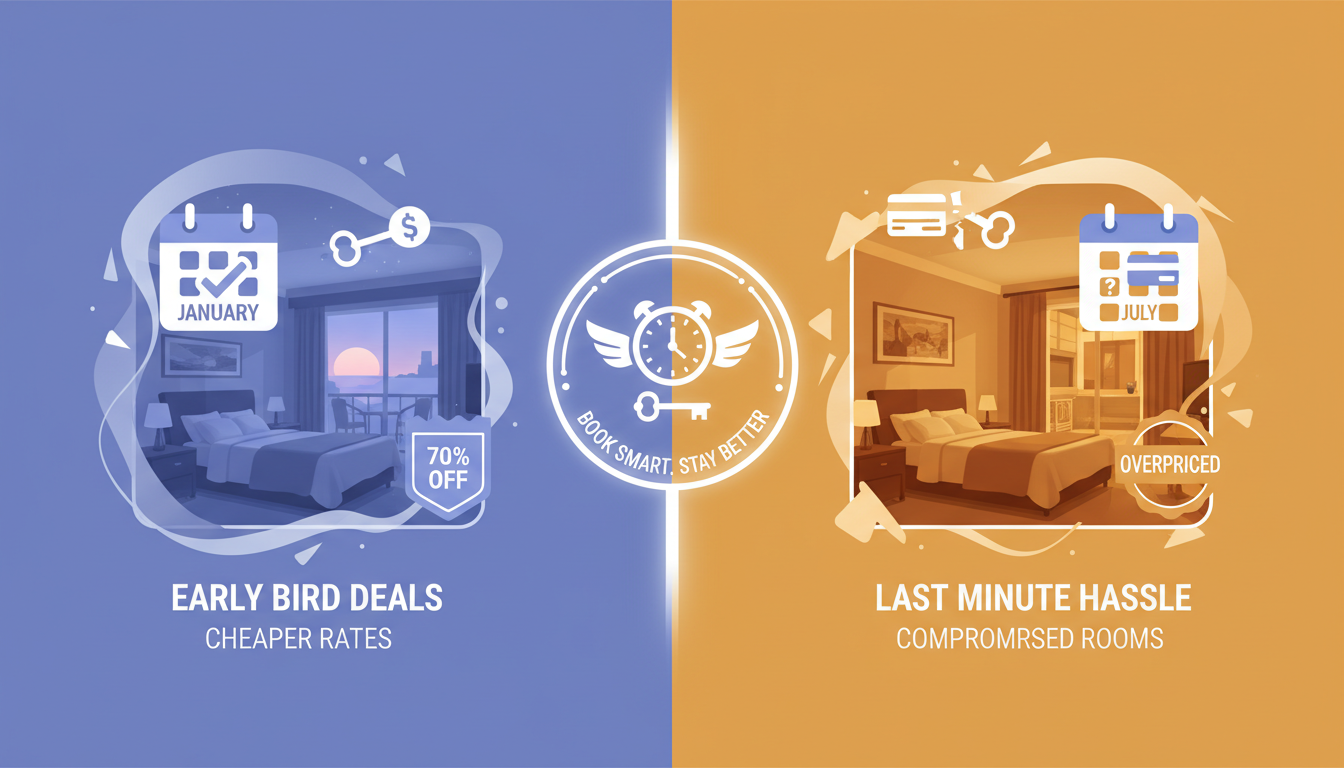
Timing Your Hotel Reservation for Maximum Value
Securing a high-quality hotel room at a budget-friendly price is a primary goal for every traveler, whether you are planning a luxury honeymoon, a family vacation, or a quick business trip. In 2026, the hospitality landscape has shifted significantly due to advanced dynamic pricing algorithms and AI-driven demand forecasting. Understanding the nuances of when to click the reserve button can be the difference between paying full retail price and securing a premium suite at a fraction of the cost. The key lies in balancing lead times with seasonal demand and local events.
Quick Answer: The Best Time to Book Hotels
- Domestic Stays: Book approximately 15 to 30 days in advance for the most consistent balance of price and availability.
- International Travel: Aim for a window of 3 to 6 months before your departure date to secure better rooms in popular destinations.
- Best Day of the Week: Statistics often show that booking on a Tuesday or Wednesday can result in slightly lower rates than weekend searches.
- Check-in Days: Arriving on a Sunday or Monday typically offers cheaper nightly rates compared to Friday or Saturday check-ins.
- Last-Minute Strategy: For non-peak periods, booking within 48 hours of arrival can yield massive discounts as hotels look to fill empty rooms.
- Peak Season Exception: For holidays or major events, booking 12 months in advance is often necessary to avoid extreme price surges.
Why This Hotel Topic Matters in 2026
In 2026, the travel industry has fully embraced hyper-dynamic pricing. Hotels now adjust their rates multiple times a day based on real-time data, social media trends, and local flight arrivals. For the modern traveler, this means that the traditional advice of just booking early is no longer a universal rule. Digital nomads and remote workers now dominate mid-week stays, while families are looking for more flexible cancellation policies to manage unexpected changes. With the rise of AI travel assistants, the competition for the best rooms has intensified, making a strategic approach to booking more important than ever before.
Main Guide: Strategies for Cheaper Rates and Better Rooms
Who These Strategies Are Best For
The strategies outlined in this guide are designed for a wide range of travelers. Budget-conscious tourists will find the timing tips essential for stretching their dollars. Business travelers can use these insights to stay within corporate per diems while enjoying better amenities. Families, who often require specific room configurations like connecting doors or kitchenettes, will benefit from the lead-time advice to ensure their specific needs are met before inventory runs out.
Facilities to Look For in 2026
When booking, do not just look at the price tag. Evaluate the value of the facilities included. In 2026, high-speed Wi-Fi is a baseline requirement, but look for hotels offering wellness centers, EV charging stations, and flexible co-working spaces. If you are booking a better room, prioritize those with smart room controls and sustainable amenities, as these often reflect the hotel’s commitment to modern standards and guest comfort.
Location and Room Type Considerations
Location remains the most significant factor in hotel pricing. Booking a hotel slightly outside the city center but near a high-speed transit line can save you 30% or more. Regarding room types, the best time to book premium suites is often mid-week when business demand for standard rooms is high, but luxury inventory remains stagnant. Conversely, for better views or higher floors, booking early and adding a polite note to your reservation is a proven tactic.
Price and Value Factors
Always distinguish between the lowest price and the best value. A non-refundable rate might save you $20, but a flexible rate provides peace of mind in an unpredictable travel environment. In 2026, many hotels offer bundled value, including breakfast or parking, which might make a slightly more expensive room cheaper in the long run. Always check if taxes and resort fees are included in the initial quote to avoid surprises at checkout.
Comparison of Booking Windows
| Booking Window | Best For | Key Benefit | Possible Drawback | Conversion Tip |
|---|---|---|---|---|
| Last Minute (1-2 days) | Solo travelers & nomads | Deepest discounts on unsold inventory | Limited room choice | Check mobile-only deals |
| Mid-Range (15-30 days) | Casual tourists | Stable pricing and good availability | Prices may rise during events | Compare rates daily |
| Early Bird (3-6 months) | Families & groups | Guaranteed specific room types | Might miss out on later drops | Book with free cancellation |
| Ultra Early (6-12 months) | Holidays & festivals | Peace of mind for peak dates | Highest initial rates | Monitor for price drops |
Practical Checklist Before Booking
- Confirm the total price including all taxes, tourism levies, and resort fees.
- Verify the cancellation policy—is it free until 24 hours before, or non-refundable?
- Check the proximity to public transport or major attractions using a map tool.
- Read guest reviews from the last 3 months to gauge current cleanliness and service standards.
- Look for inclusive amenities like free breakfast, high-speed Wi-Fi, and gym access.
- Check for parking availability and associated daily costs.
- Ensure the hotel has 24-hour security or a manned reception desk.
- Check for recent photos uploaded by guests rather than relying solely on professional shots.
- Review the refund policy in case of travel restrictions or personal emergencies.
- Confirm if the hotel offers a loyalty program discount for direct bookings.
Actionable Steps for Your Next Reservation
Ready to secure your stay? Instead of rushing into a booking, take a moment to compare hotel rates across multiple platforms. If you find a rate you like, consider checking the hotel’s official website to see if they offer a direct booking bonus, such as a late checkout or a free drink voucher. You can also contact the hotel directly for groups or long-term stays to request a custom quote. For those who want to stay ahead of the curve, subscribing to travel deal updates can alert you the moment prices drop for your desired destination.
Common Mistakes to Avoid
Booking Only on Price
The cheapest room often comes with hidden costs, such as a lack of windows, a location in a loud area, or no elevator access. Always read the fine print regarding the specific room category you are selecting.
Ignoring Cancellation Rules
In a world where plans change rapidly, a non-refundable booking can be a costly mistake. Unless the savings are substantial, opting for a flexible rate is generally the smarter move for 2026 travel.
Forgetting Local Holidays
A random Tuesday might be a national holiday in your destination, causing prices to spike. Always check the local calendar for the city you are visiting before finalizing your dates.
Expert Tips for 2026 Travel
Professional travel planners often suggest using the Incognito mode on your browser to prevent dynamic pricing from increasing based on your search history. Furthermore, consider joining hotel loyalty programs; even the entry-level tier often provides access to member-only rates that are 5-10% lower than public prices. If you are looking for a better room, try checking in later in the afternoon. By 4:00 PM, front desk staff have a clearer picture of cancellations and may be more inclined to offer a complimentary upgrade if the hotel isn’t full.
Frequently Asked Questions
What is the best day of the week to book a hotel?
Generally, Tuesday and Wednesday are considered the best days to book as hotels often release new promotions mid-week after analyzing weekend booking patterns.
Is it cheaper to book hotels last minute?
It can be significantly cheaper for non-peak periods, as hotels prefer to sell a room at a discount rather than let it sit empty. However, this is risky for popular destinations or holidays.
Do hotel prices go down on Sundays?
Yes, Sunday evenings often see a dip in rates as business travelers have not yet arrived and weekend tourists are checking out.
Should I book directly with the hotel or through a travel site?
It is best to compare both. While booking sites offer rewards and easy comparisons, direct booking often provides better customer service, easier cancellations, and hidden perks.
What should I do if the price drops after I book?
If you booked a flexible or refundable rate, you can simply cancel and re-book at the lower price. Some booking platforms also offer price match guarantees.
How far in advance should I book for a summer vacation?
For a summer trip in 2026, start monitoring prices in January and aim to book by March or April to secure the best balance of price and room selection.
Conclusion
Mastering the best time to book hotels requires a combination of early planning and tactical patience. By understanding the 2026 market trends—such as the importance of flexibility and the impact of dynamic pricing—you can consistently find cheaper rates and secure superior rooms. Remember to always check the total cost, read recent guest reviews, and consider the benefits of booking directly. Start your search today by comparing available options and setting price alerts to ensure you never miss out on a great deal for your next adventure.